Skip to content
Storboards-Logo-Large (1)

Make Learning Visible. Make it Compelling.

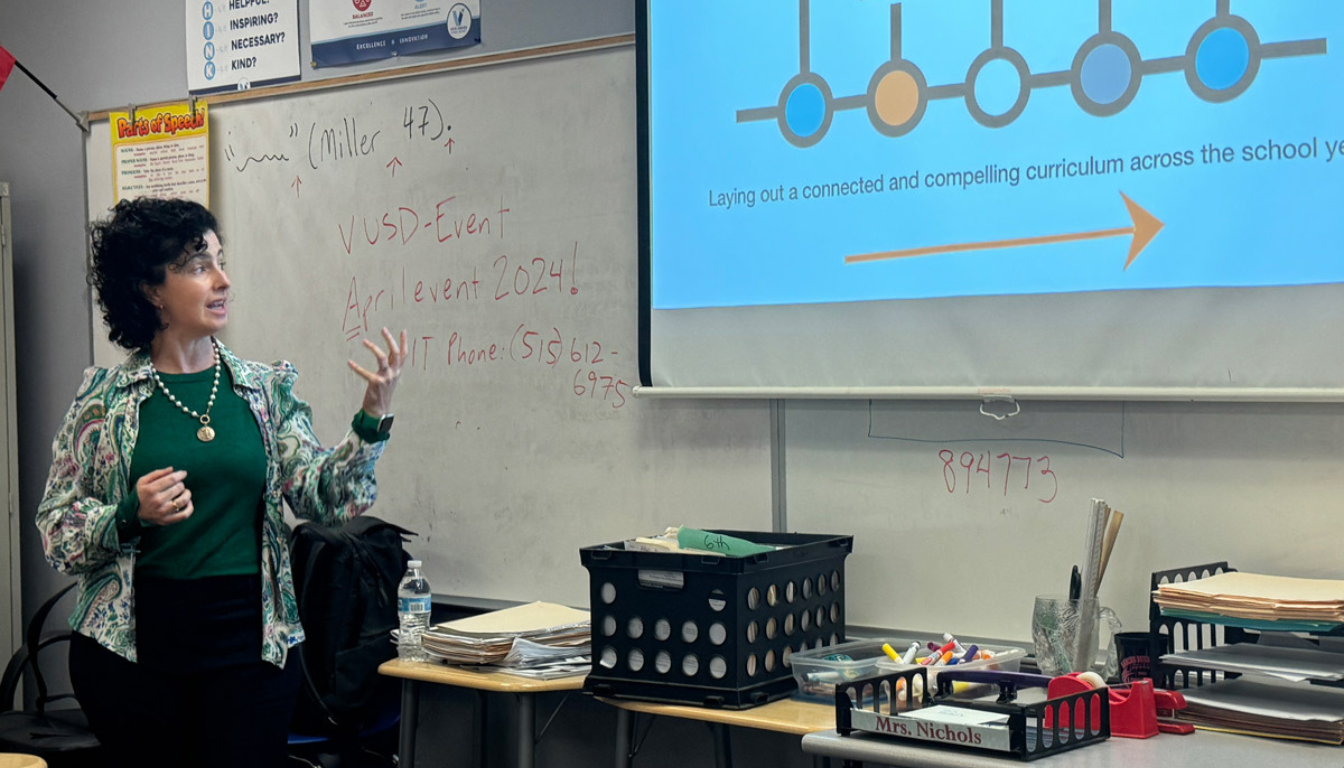
Curriculum Storyboards transform abstract learning plans into clear, engaging narratives that students and families can actually understand and connect with—because stories are how humans are wired to learn.

Untitled design-6


What Are Curriculum Storyboards?

Think about the last time you got completely absorbed in a good book or movie. You weren't just processing information—you were experiencing a story that made emotional connections and helped you understand complex ideas.

That's what curriculum should feel like for students.

A curriculum storyboard is a visual, narrative framework that captures a course or unit as a compelling learning journey. Instead of dense teacher-facing documents, storyboards speak directly to students in language that sparks curiosity and shows connections.

The shift:

  • From teacher documentation → Student invitation
  • From "coverage" → Discovery
  • From compliance language → Compelling narrative
  • From overwhelming → Streamlined and essential
Why Stories Work

  • Brain-based learning engages emotional and logical centers
  • Story-thinking triggers "What if?" and "Why?" questions
  • Emotional connection makes content "sticky"
  • Safe engagement lowers anxiety about difficult content

What Teachers Notice

  • Deeper understanding of their own content
  • Students more engaged in learning
  • Better communication with families
  • Hidden assumptions revealed and addressed

The Essential Components

The Story Component

Structure content the way brains naturally process information—through scene planning, sequencing, narrative arc, and iteration.

The Board Component

Visual organization isn't decoration—it's essential communication through images, logical flow, and compositional choices.

See Storyboards In Action

See below for featured Storyboard examples from schools and districts across the globe.
1-2

Tucson, Arizona

Curriculum storyboards are shared on their website to promote transparency with families.

2-2

Denton, Texas

Elementary curriculum storyboards for families both in English and Spanish.

3-3

Newport News, Virginia

Elementary math curriculum storyboards aligned with Standards.

5

Johannesburg, South Africa

Teaching and Learning team modeled the use of a storyboard by developing a multi-year professional learning plan.

4

Wales, United Kingdom

Individual school leader developed curriculum storyboards for his Year 5 learners. This also served as a process model to inspire other colleagues.

6

Westport, Connecticut

Local news article that shares an Information Literacy and Technology storyboard with how it was communicated with families.

FREQUENTLY ASKED QUESTIONS

Quick Answers


We don't have time to redo our entire curriculum. How do we do this?

You don't have to. Storyboarding works unit by unit, course by course. Many schools start with their most problematic areas—the units where teachers feel lost or students are disengaged. You build momentum through small wins, not through massive overhauls.

Plus, here's the truth: You're already spending time on curriculum overwhelm. You're just spending it on confusion, inconsistency, and frustration. Storyboarding redirects that time toward clarity.

Our teachers are already overwhelmed. How can we add one more thing?

This is where the thinking shifts. Storyboards aren't one more thing to add—they're a way to streamline everything you already have. Teachers consistently tell me that seeing the curriculum as a story actually reduces their planning time because they finally understand the purpose and flow.

Will this work with our mandated curriculum / adopted resources / specific constraints?

Yes. Storyboards work with whatever curriculum structure you have. They're a methodology for organizing and communicating, not a prescribed content program. Some of the most successful implementations I've seen have been in schools with the tightest constraints.

How do we know this will actually make a difference?

The honest answer: It depends on your follow-through. Storyboards are a tool, not magic. But they're a tool that makes your curriculum more usable, more coherent, and more engaging—which directly addresses the overwhelm you identified in your assessment.

What usually makes the difference is having someone who can guide you through the process, anticipate the challenges, and help you adapt the approach to your specific context.

LEARN MORE

Additional Resources

The Book

Streamlining the Curriculum by Allison Zmuda & Heidi Hayes Jacobs

The Blog

Read insights and implementation stories

YouTube Channel

Watch examples, tutorials, and practitioner interviews