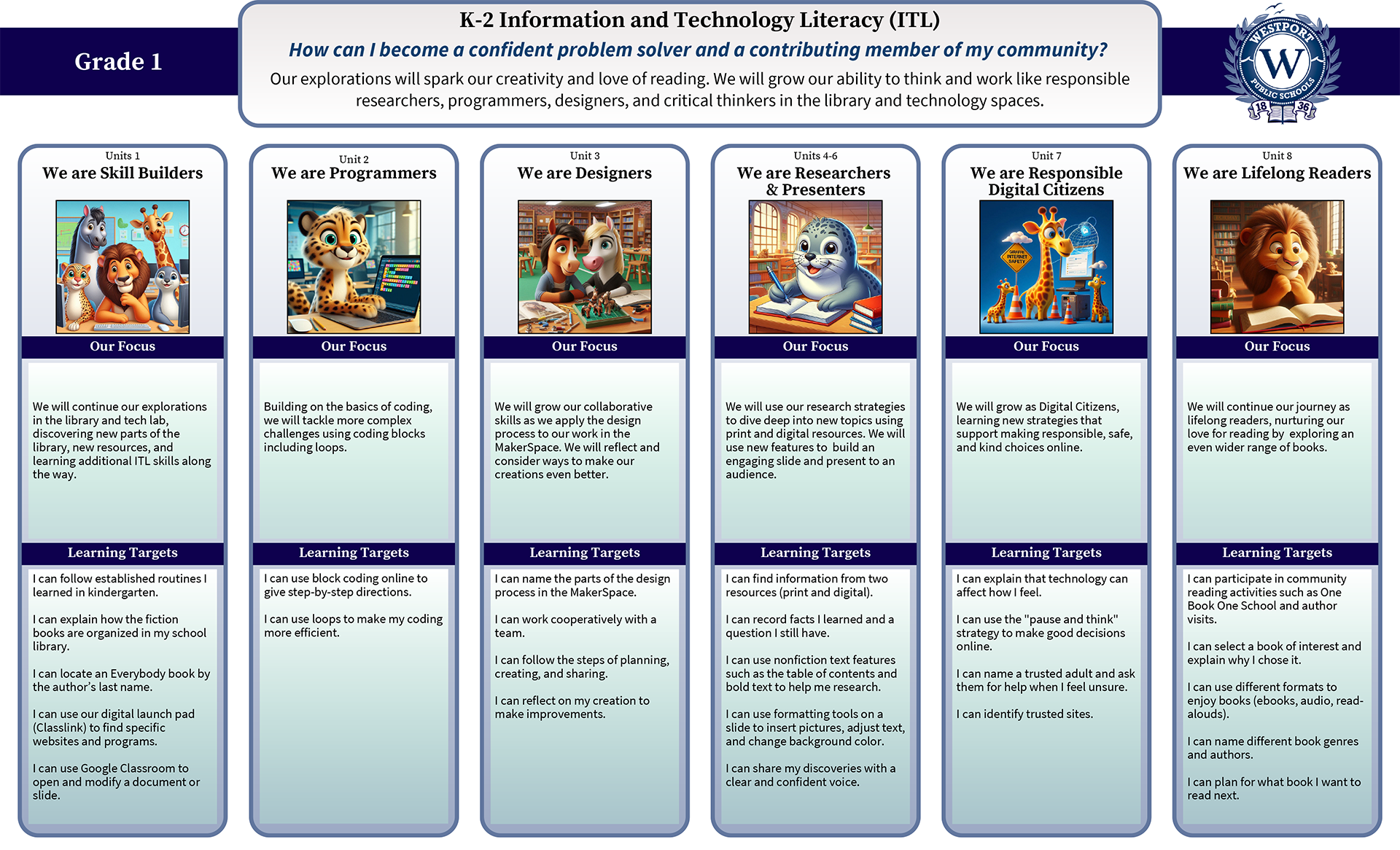
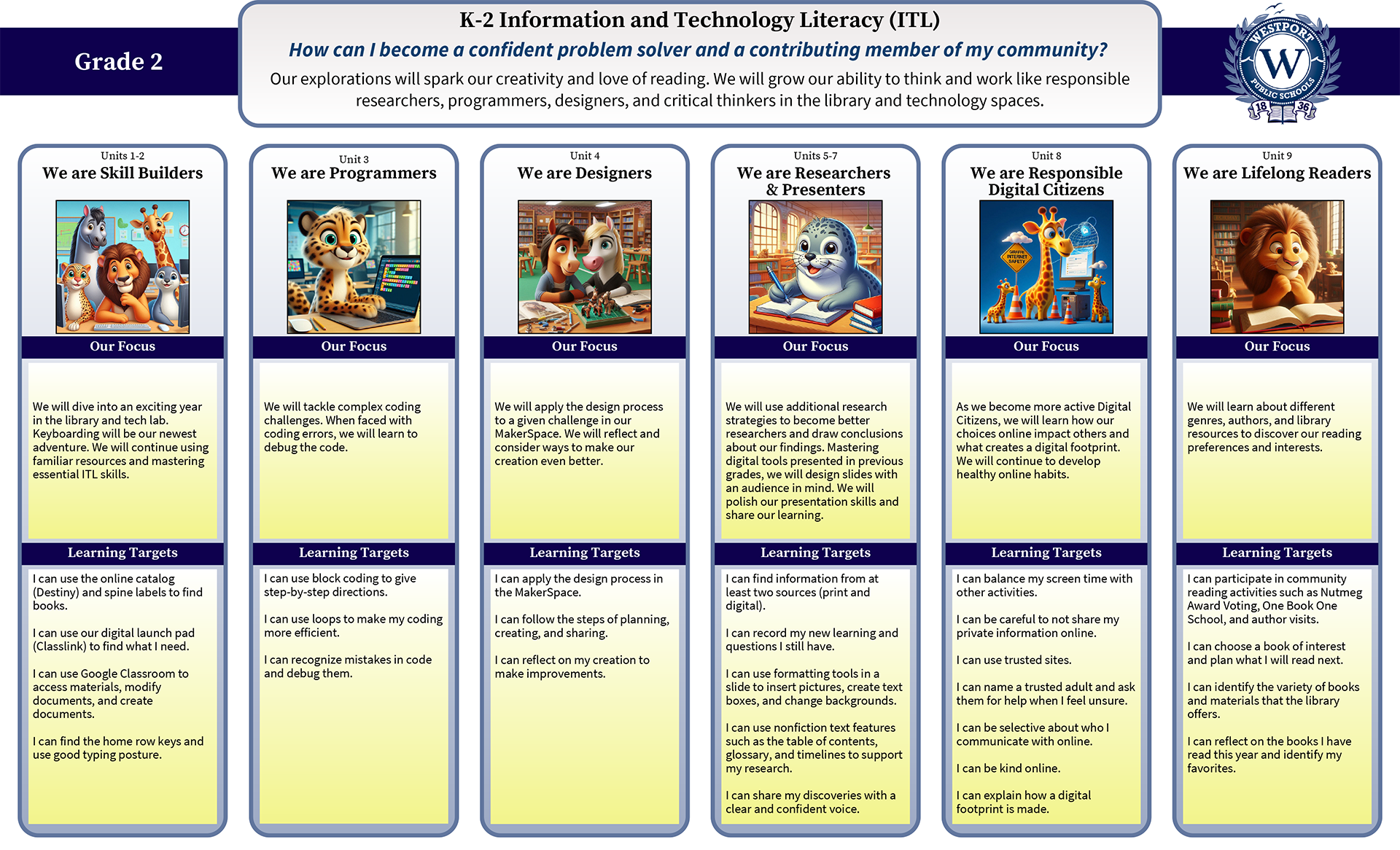
In a LIVE video discussion, Allison Zmuda and Natalie Carrignan, a director at Westport Public Schools, explored the transformative power of Curriculum Storyboards in education. Carrignan shared her journey of implementing storyboards to enhance clarity and engagement in the classroom.
The conversation emphasized the importance of creating curriculum that is accessible to both students and families while fostering a collaborative and joyful learning environment.
Carrignan’s interest in storyboarding was sparked during a workshop led by Zmuda and Heidi Hayes Jacobs, where she realized the potential of visual curriculum planning.
“I saw it, and I said, ‘This is really interesting in the way it’s done, and that you can see a whole year at once,’” Carrignan explained. “That’s very different from what we’re doing, showing unit by unit.”
Recognizing the need for a more inclusive and family-friendly approach, Carrignan proposed using storyboards to replace existing curriculum documents that were often filled with jargon and difficult for families to understand.
The development process involved collaboration among educators in her district. Carrignan and her colleagues experimented with different storyboard formats, focusing on elements that would resonate with students and families.
“We ended up grouping into thought partners. We started in Google Docs, just drafting. Then we decided for iconography we wanted to try copilot,” she said. “Collaboration just kept bringing back more energy.”
This collaborative spirit allowed teachers to share their expertise while creating a product that truly represented their curriculum and philosophy.
The development process involved collaboration among educators in her district. Carrignan and her colleagues experimented with different storyboard formats, focusing on elements that would resonate with students and families.
“We ended up grouping into thought partners. We started in Google Docs, just drafting. Then we decided for iconography we wanted to try copilot,” she said. “Collaboration just kept bringing back more energy.”
This collaborative spirit allowed teachers to share their expertise while creating a product that truly represented their curriculum and philosophy.
One of the primary goals of the storyboards is to create a clear and accessible curriculum for families. Carrignan highlighted the importance of having parents understand what their children are learning, facilitating discussions at home.
“The storyboard is accessible; parents get it,” she said. “They know what they’re doing with their children and have conversations about what they’re learning.”
To further enhance communication, the team created bookmarks summarizing each unit’s focus, which they send home to remind families of the learning targets.
As Carrignan’s team begins to develop curriculum storyboards for grades 3-5, they continue to build on the identities established in the earlier grades. The focus remains on creating a clear narrative that aligns with digital citizenship and responsible use of technology.
“We know lifelong readers will be K-5 if not K-12,” Carrignan stated. “We have to build on that foundation.”
The team is also exploring how to incorporate more complex challenges into their curriculum while maintaining a family-friendly language that keeps parents engaged.
In the never-ending quest to keep students engaged, educators are getting creative with their methods; Natalie Carrignan, WPS Director of Technology, is no exception. In an effort to outline education plans, get students excited, and foster ongoing learning beyond the classroom she collaborated with representatives from her team of teachers last summer to develop and deploy curriculum storyboards for K-2 Information and Technology Literacy (ITL) Courses.
Read MoreWith the success of the K-2 curriculum storyboards, Carrignan’s team is poised to expand the initiative across the district. By involving teachers from various grade levels, they aim to create a unified curriculum that reflects the entire educational philosophy of Westport Public Schools.
“We want to do this for our colleagues and for our department,” Carrignan said. “We’re building a template that we can roll out while keeping our identity as a cohesive K-12 department.”
As the discussion concluded, Carrignan expressed gratitude for the support and guidance received throughout the process, emphasizing the importance of collaboration and joy in curriculum development.
“This has been a great experience, and I would love to do a shoutout to my writing team,” she said. “It took us about 20 hours to do these three storyboards over the summer, and we made sure to keep it light.”
The journey of implementing curriculum storyboards is not just about creating documents; it’s about fostering a love for learning and ensuring that every student and family feels connected to the educational process. As educators like Carrignan continue to innovate, the potential for meaningful change in classrooms grows.
Heidi and Allison are offering virtual coaching, in-person workshops, and more. If you are interested in learning more, please reach out!